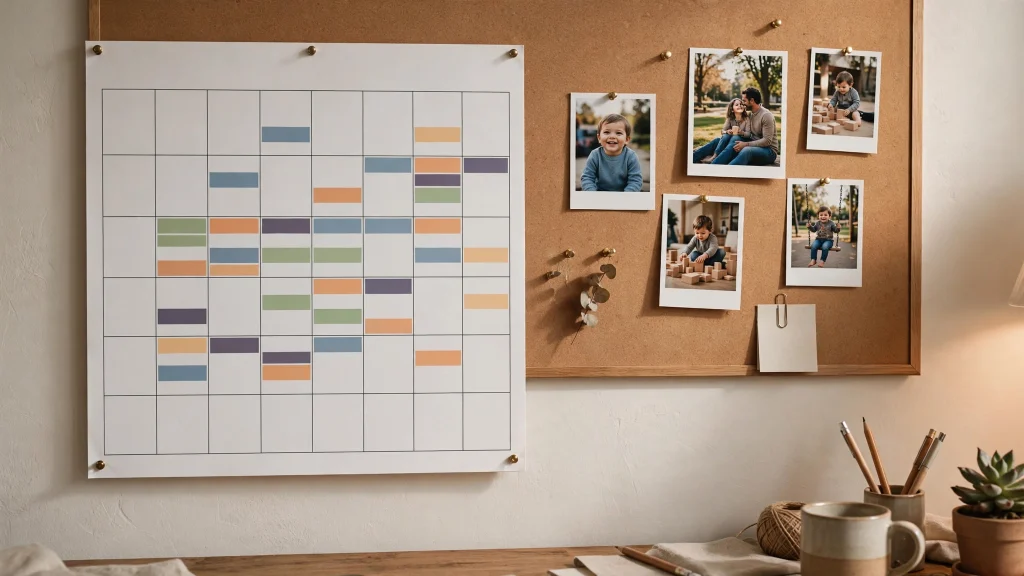
Parents searching for a child custody schedule often want concrete examples such as a 50/50 custody schedule, 2-2-3 schedule, 2-2-5-5 schedule, 3-4-4-3 schedule, or alternating weeks. California does not require one schedule by age, so the right parenting plan depends on the child’s developmental needs, school routine, distance between homes, safety, and the parents’ ability to manage exchanges.
CD&D Associates is a registered Legal Document Assistant service, not a law firm. This article provides general information, not legal advice. CD&D Associates prepares documents at your direction and does not choose legal strategy or represent you in court.
California Does Not Have One Required Schedule by Age
California judges must base custody and parenting-time orders on the child’s best interest. Age matters, but there is no statewide rule saying a three-year-old must follow one schedule or a ten-year-old must follow another.
California Courts specifically lists the child’s age and health as best-interest factors and also considers emotional ties, school and community, each parent’s ability to care for the child, family violence, and substance abuse.
What a Parenting Plan Should Cover
A complete parenting plan should address legal custody, physical custody, the regular weekly schedule, holidays, vacations, special occasions, exchanges, transportation, communication, and any safety restrictions. Clear orders are easier to follow and enforce.
Infants and Very Young Children
For infants and very young children, parents often focus on predictable routines, frequent contact, feeding and sleep schedules, attachment relationships, and avoiding unnecessarily long separations from a primary caregiver. A gradual schedule can be useful when one parent has had limited caregiving time.
There is no automatic rule against overnights. The right plan depends on the child and family.
Preschool Children
Preschoolers often benefit from predictable transitions and a schedule they can understand. Parents should consider daycare, naps, bedtime, distance between homes, and the child’s ability to tolerate transitions. Shorter blocks can work better for some children than a full week away from either parent.
School-Age Children
School-age children can often manage longer blocks if both homes support school attendance, homework, activities, and transportation. Stability and low conflict remain important. The schedule should minimize forgotten school items and unnecessary exchanges.
Teenagers
Teen schedules often need more flexibility for school, sports, jobs, friends, and increasing independence. A rigid equal-timeshare calendar that worked when the child was younger may need adjustment. The child’s views can matter, but the judge still decides based on best interest.
Common 50/50 Schedule: 2-2-3
In a 2-2-3 schedule, the child spends two days with Parent A, two days with Parent B, then three days with Parent A; the pattern reverses the next week. It creates frequent contact but also frequent exchanges. It can be practical for younger children when parents live close and communicate well.
Common 50/50 Schedule: 2-2-5-5
In a 2-2-5-5 schedule, each parent usually has the same two weekdays every week and weekends alternate, creating five-day blocks around the alternating weekend. This can give school-age children predictable weekday routines while preserving equal time.
Common 50/50 Schedule: 3-4-4-3
A 3-4-4-3 custody schedule alternates three-day and four-day blocks over a two-week cycle so each parent receives seven days. It can reduce the number of exchanges compared with a 2-2-3 schedule while keeping the longest regular separation shorter than a full week. Whether it fits depends on the child, school schedule, distance between homes, and how well the parents can manage transitions.
Common 50/50 Schedule: Alternating Weeks
Alternating weeks reduce exchanges and can be easier for older children, but seven days away from a parent can be difficult for younger children. Many families add a midweek dinner or virtual contact depending on the child’s needs.
Distance, Conflict, and Safety Can Change the Answer
Equal time is not practical when parents live far apart, transportation is unreliable, school attendance would suffer, or conflict makes frequent exchanges harmful. Domestic violence, substance abuse, abduction risk, or other safety concerns can require supervised, restricted, or no visitation.
California added Rule 5.252 effective January 1, 2026, which gives courts guidance for virtual visitation and specifically directs attention to safety, the child’s age and capacity, technology access, and other best-interest factors.
How to Put the Schedule Into a Court Order
Parents can write an agreement and ask the judge to approve it, or ask the court to decide. FL-311 can help describe a requested schedule, and FL-341 and related attachments are commonly used for custody orders. Disputed custody cases generally involve court-connected mediation before the judge decides.
How CD&D Associates Can Help
CD&D Associates can prepare parenting-plan and custody forms based on the schedule you choose. We do not decide which schedule is best for your child or provide custody strategy.
Frequently Asked Questions
Does California require 50/50 custody?
No. The court must order a plan in the child’s best interest; there is no automatic statewide 50/50 mandate.
What is a 2-2-3 schedule?
It alternates two days, two days, and three days between parents, then reverses the next week.
What is a 2-2-5-5 schedule?
Each parent generally has the same two weekdays and alternating five-day blocks around weekends.
Are alternating weeks good for toddlers?
They can be difficult for some very young children because of the long separation. The child’s developmental needs and caregiving history matter.
Can a parenting schedule change as children get older?
Yes. Parents can agree to changes or request modification when appropriate.